

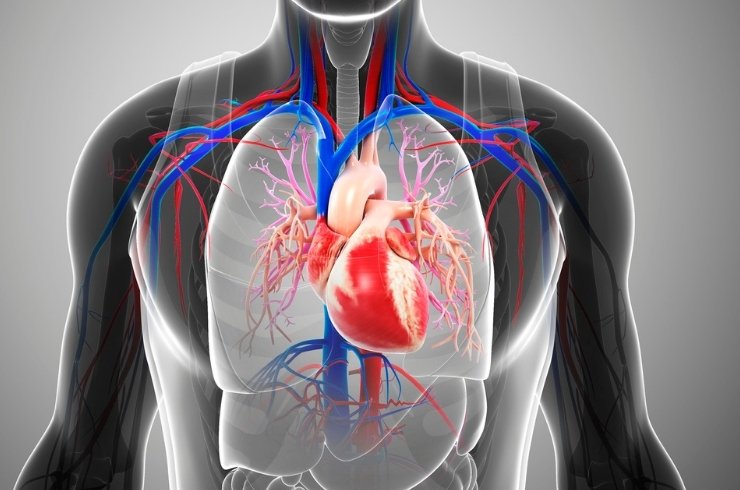
Hypertension, commonly known as high blood pressure, is a chronic medical condition in which the force of blood against the walls of the arteries remains consistently higher than normal. Over time, uncontrolled high blood pressure can place excessive strain on the heart, blood vessels, kidneys, and other vital organs.
Blood pressure is measured using two values:
Systolic Pressure: The pressure when the heart contracts and pumps blood.
Diastolic Pressure: The pressure when the heart relaxes between beats.
A normal blood pressure reading is generally around 120/80 mmHg. Persistent readings of 140/90 mmHg or higher are commonly considered hypertension and may require medical evaluation and management.
In many individuals, the exact cause of hypertension cannot be identified. However, several factors can increase the risk of developing high blood pressure, including:
Family history of hypertension
Excess body weight or obesity
High salt intake
Physical inactivity
Smoking and tobacco use
Excessive alcohol consumption
Chronic stress and anxiety
Diabetes
Kidney disease
Hormonal disorders
Increasing age
Hypertension is often referred to as a “silent condition” because many people experience no symptoms, even when blood pressure levels are significantly elevated.
In some cases, symptoms may include:
Headaches
Dizziness
Fatigue
Shortness of breath
Blurred vision
Nosebleeds
Chest discomfort
Palpitations
Because symptoms may be absent, regular blood pressure monitoring is important for early detection.
If left untreated, high blood pressure can damage multiple organs and increase the risk of serious health problems.
Hypertension can strain the heart and increase the risk of heart attack, heart failure, and other cardiovascular conditions.
High blood pressure is a major risk factor for stroke due to damage to blood vessels supplying the brain.
Persistent hypertension may impair kidney function and contribute to chronic kidney disease or kidney failure.
High blood pressure can affect the blood vessels in the eyes and may lead to vision problems.
Weakened blood vessel walls can bulge and form aneurysms, which may rupture and become life-threatening.
Hypertension is often associated with obesity, diabetes, and abnormal cholesterol levels.
Long-term uncontrolled blood pressure may contribute to memory difficulties and cognitive decline.
Healthy lifestyle habits play a key role in preventing and managing hypertension:
Maintain a healthy body weight
Follow a balanced diet rich in fruits and vegetables
Reduce salt intake
Exercise regularly
Avoid smoking and tobacco products
Limit alcohol consumption
Manage stress effectively
Get adequate sleep
Monitor blood pressure regularly
The management of hypertension focuses on controlling blood pressure and reducing the risk of complications. Treatment may include lifestyle modifications, dietary changes, regular monitoring, and medications prescribed by a healthcare professional when necessary.
Some individuals choose complementary therapies such as homeopathy as part of their overall wellness approach. However, homeopathy should not replace evidence-based medical treatment for hypertension. Patients should continue prescribed medications and consult their healthcare provider before making any changes to their treatment plan.
Regular blood pressure checks are essential, especially for individuals with risk factors such as obesity, diabetes, family history of hypertension, or cardiovascular disease. Early diagnosis and effective management can significantly reduce the risk of long-term complications and improve overall health outcomes.