

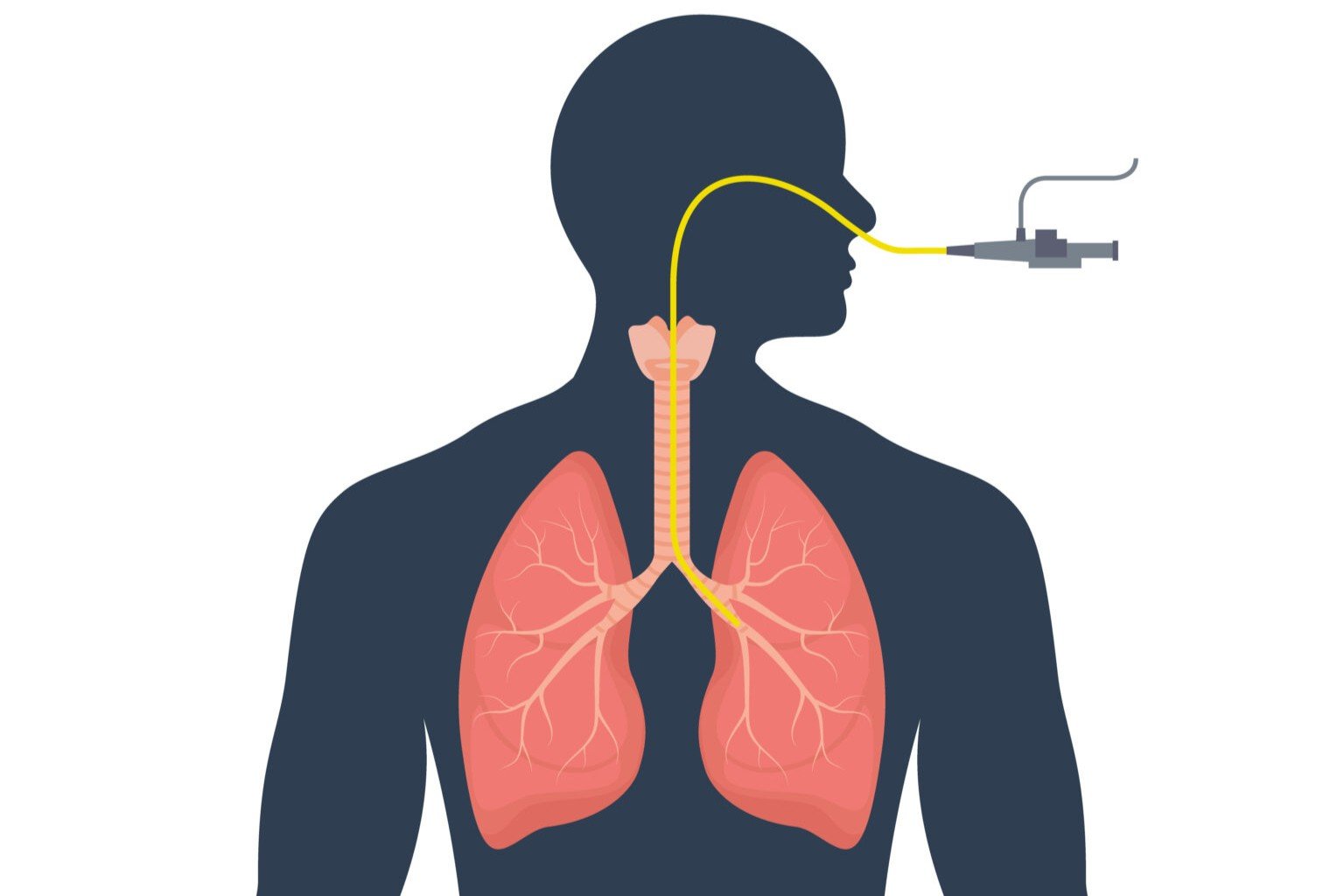
Bronchial Asthma is a chronic respiratory condition characterized by inflammation and narrowing of the airways, leading to breathing difficulties. It affects millions of people worldwide and can occur at any age. The condition is commonly associated with allergies and airway hypersensitivity, which can trigger episodes of wheezing, coughing, chest tightness, and shortness of breath.
Asthma symptoms may vary in severity and frequency. While some individuals experience occasional symptoms, others may have persistent respiratory discomfort that interferes with daily activities and overall well-being.
Bronchial Asthma develops due to a combination of genetic and environmental factors. The condition is often linked to allergic reactions and an overactive immune response. Certain immune cells, including mast cells, eosinophils, and T-lymphocytes, play a role in airway inflammation and sensitivity.
Common triggers and risk factors include:
Dust, pollen, and environmental allergens
Air pollution and smoke exposure
Tobacco smoking and passive smoking
Respiratory infections
Sudden weather changes
Strong odors, chemicals, or fumes
Physical exertion
Certain medications
Family history of asthma or allergies
Symptoms can occur intermittently or persist over time. Common symptoms include:
Wheezing while breathing
Shortness of breath
Persistent coughing, especially at night
Chest tightness or discomfort
Difficulty breathing during physical activity
Frequent throat clearing
Fatigue due to breathing difficulties
In severe cases, individuals may experience significant difficulty inhaling and exhaling, requiring immediate medical attention.
Asthma generally exists in two stages:
This stage involves ongoing airway inflammation with symptoms such as:
Night-time coughing
Mild shortness of breath during exertion
Chest tightness
Intermittent wheezing
Chronic cough
An acute asthma attack occurs when symptoms suddenly worsen, causing severe breathing difficulty and airway narrowing. Prompt medical treatment is essential during such episodes.
Bronchial Asthma is influenced by both genetic predisposition and environmental exposures. Allergens and airborne irritants can trigger an inflammatory response in the airways, causing swelling, mucus production, and tightening of the airway muscles.
Managing environmental triggers, reducing exposure to pollutants, and following an appropriate treatment plan can help improve symptom control and reduce the frequency of asthma attacks.
The risk of asthma flare-ups may be reduced by:
Avoiding known allergens and triggers
Maintaining a clean, dust-free environment
Avoiding smoking and secondhand smoke
Managing respiratory infections promptly
Following a healthy lifestyle and balanced diet
Exercising under medical guidance
Adhering to prescribed treatment plans
Treatment for Bronchial Asthma aims to control symptoms, reduce airway inflammation, and improve breathing function. Depending on the severity of the condition, management may include lifestyle modifications, trigger avoidance, inhalers, medications, and regular medical monitoring.
Early diagnosis and consistent treatment can help individuals lead active and healthy lives while minimizing the impact of asthma on daily activities and long-term respiratory health.