

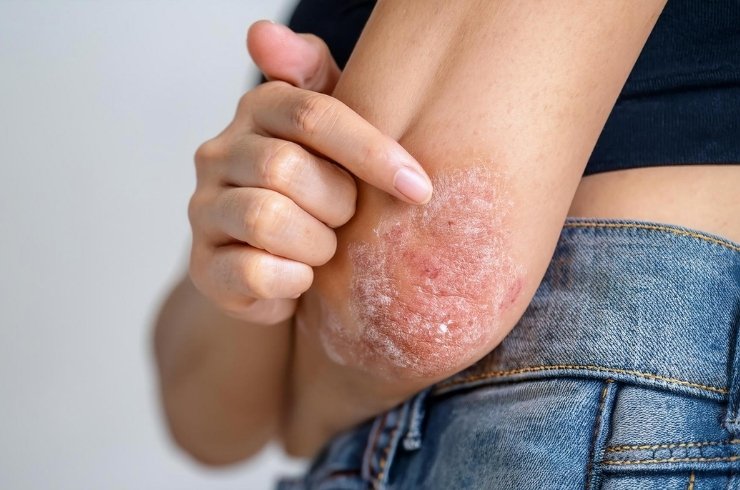
Eczema is a common skin condition that causes inflammation, irritation, redness, dryness, and itching of the skin. The term “eczema” refers to a group of inflammatory skin disorders, with Atopic Dermatitis being the most common type. Although eczema frequently affects infants and children, it can occur at any age and may persist or recur throughout adulthood.
Eczema is not a contagious disease and cannot be transmitted from one person to another. However, genetic factors often play a role, and individuals with a family history of eczema, asthma, or allergies may be at a higher risk of developing the condition.
The symptoms of eczema can vary depending on the type and severity of the condition. Common symptoms include:
Red, inflamed skin patches
Intense itching
Dry, rough, or scaly skin
Swelling and irritation
Cracked or thickened skin
Small bumps or blisters that may ooze fluid
Burning or stinging sensation
Persistent scratching can damage the skin and increase the risk of secondary infections.
The exact cause of eczema is not fully understood, but it is believed to result from a combination of genetic, immune system, and environmental factors.
Common triggers include:
Harsh soaps and detergents
Cosmetics and skincare products
Certain fabrics and clothing materials
Dust and environmental pollutants
Excessive sweating
Seasonal weather changes
Dry air and low humidity
Pollen and other allergens
Stress and emotional factors
Identifying and avoiding personal triggers can help reduce flare-ups and improve symptom management.
Eczema can affect different parts of the body, including:
Face and cheeks
Neck
Elbows and knees
Hands and wrists
Underarms
Waist and skin folds
In infants, eczema commonly appears on the cheeks, forehead, scalp, neck, and back.
The most common form of eczema, often associated with allergies, asthma, and a family history of atopic conditions.
Occurs when the skin comes into contact with irritants or allergens, leading to redness, itching, and inflammation.
Affects areas rich in oil-producing glands, such as the scalp, face, and chest. It is commonly associated with dandruff.
Characterized by coin-shaped patches of irritated skin that may be itchy and inflamed.
Usually develops in the lower legs due to poor circulation and fluid accumulation.
A type of eczema that affects the palms of the hands and soles of the feet. It is characterized by small, deep-seated blisters that can cause intense itching, burning, and discomfort.
Proper skin care is essential in managing eczema and preventing flare-ups. Helpful measures include:
Regular use of moisturizers
Avoiding known irritants and allergens
Wearing soft, breathable fabrics
Maintaining good skin hygiene
Using mild, fragrance-free skincare products
Managing stress effectively
Treatment for eczema focuses on reducing inflammation, relieving itching, preventing infections, and maintaining healthy skin. A personalized treatment plan may include lifestyle modifications, skincare management, trigger avoidance, and appropriate medical therapies based on the individual’s condition.
Early diagnosis and consistent care can help control symptoms, reduce flare-ups, and improve overall skin health and quality of life.