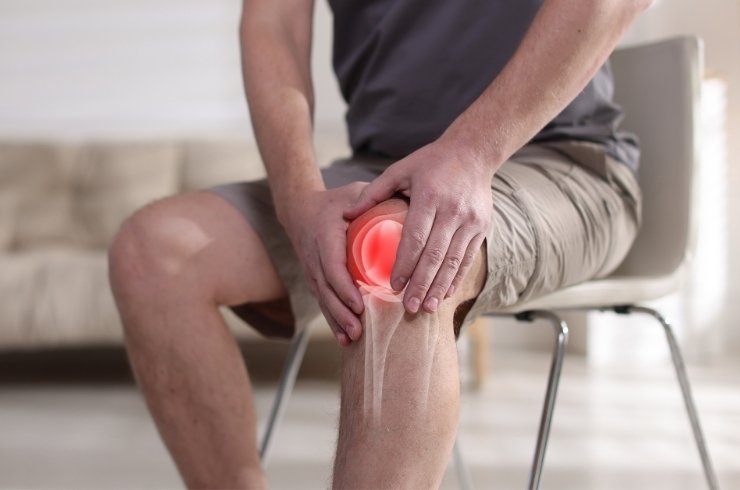
Arthritis is a chronic condition that affects the joints and surrounding tissues, leading to pain, inflammation, stiffness, and reduced mobility. More than 100 different types of arthritis have been identified, each affecting the body in different ways. Despite their differences, all forms of arthritis involve damage to the joints and can significantly impact a person’s quality of life.
Some of the most common types of arthritis include Osteoarthritis, Rheumatoid Arthritis, Septic Arthritis, Gout, Pseudogout, Juvenile Idiopathic Arthritis, Still’s Disease, and Ankylosing Spondylitis. Joint pain is the most frequently reported symptom, and in severe cases, individuals may experience difficulty standing, sitting, walking, or performing everyday activities.
Symptoms of Arthritis
Common symptoms of arthritis include:
- Joint pain
- Swelling around the joints
- Joint stiffness
- Reduced range of motion
- Difficulty walking or moving affected joints
In more advanced or severe cases, patients may also experience:
- Fatigue and weakness
- Fever
- Unexplained weight loss
- Muscle pain
- Sleep disturbances
Arthritis may also develop as a secondary condition associated with other diseases such as Ehlers-Danlos Syndrome, Sarcoidosis, Henoch-Schönlein Purpura, Psoriatic Arthritis, Reactive Arthritis, Haemochromatosis, and Hepatitis. Early diagnosis and timely treatment are essential for managing symptoms effectively and preventing long-term joint damage.
Prevention and Management
Although some forms of arthritis cannot be completely prevented, maintaining a healthy lifestyle can help reduce the risk and slow disease progression. Preventive measures include:
- Following a balanced and nutritious diet
- Engaging in regular physical activity
- Maintaining a healthy body weight
- Avoiding excessive alcohol consumption
- Refraining from the use of harmful substances
It is important to note that arthritis is not a contagious disease. Individuals can safely live and interact with arthritis patients without any risk of infection.
Arthritis and Disability
Arthritis is one of the leading causes of disability worldwide. Millions of people experience limitations in daily activities due to chronic joint pain and stiffness. The condition often results in reduced productivity, frequent medical visits, and difficulty maintaining an active lifestyle.
Physical inactivity caused by arthritis may contribute to other health concerns such as obesity, high cholesterol, cardiovascular disease, and depression. Many individuals also experience anxiety about worsening symptoms and declining mobility.
Treatment
Various treatment options are available for arthritis, including medications, physical therapy, lifestyle modifications, and supportive care. The choice of treatment depends on the type and severity of the condition. Early intervention and a personalized treatment plan can help manage symptoms, improve mobility, and enhance overall quality of life.